Last Updated: October 25, 2026
Flood damage used vehicle problems hide serious issues, water reaches unseen places, and corrosion and electrical failures surface months later.
Ask for Doug Cupples, we've inspected hundreds of used vehicles and know where water damage hides.
Common Signs of Flood Damage in Used Vehicles
Musty, moldy odors are the first red flag, a wet-basement smell means trapped moisture and mold.
Fogging or moisture inside lights and gauges means water forced into sealed components and damaged electrical systems.
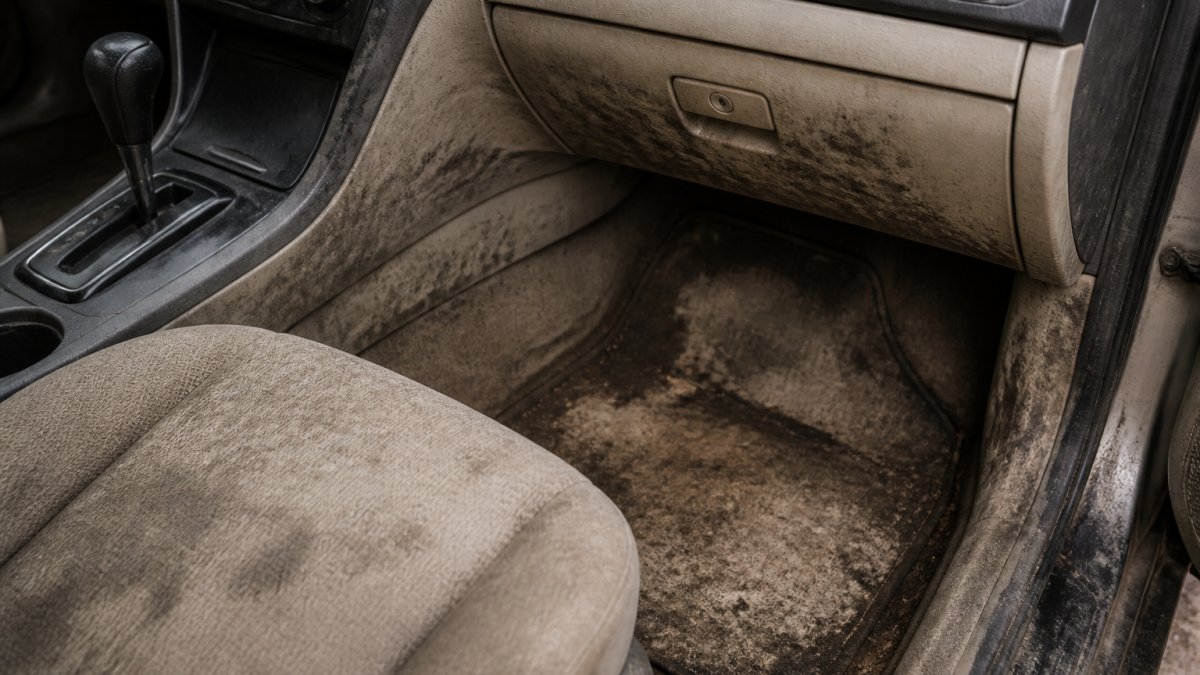
Damp or moldy carpets and upholstery won't dry completely, spongy carpet means trapped water and mold.
How to Check a Used Car for Flood Damage
Start with the exterior. Water lines and debris above the normal dust line show how high water reached.
Inspect the engine compartment. Look for rust on bolts and connectors, corroded electrical components fail without warning, and check hoses and belts for brittleness.
Test the electrical systems. Turn on all lights, wipers, and electronics, and try the power windows, locks, and seat adjusters.
Push now for a set of free Universal Weather Teck mats with purchase of a used or new Car →
Check the trunk and undercarriage. Remove the spare tire and inspect the well for mud, debris, or rust, then take the car to a mechanic for a best ways to inspect a used vehicle and professional flood damage assessment.
Flood-Damaged Car Title and Vehicle History Report
A vehicle's title and history tell you if it has been declared flood-damaged. Always check before you buy.
Understand title status. Clean means no major damage claims; salvage means a total loss; rebuilt means salvaged, repaired, and inspected.
Ask the seller directly. Did water enter, how deep, how long, and was it saltwater or freshwater? Signs of quality used vehicles include transparent disclosure.
Get a pre-purchase inspection. A certified mechanic tests electrical systems and checks for corrosion inside sealed components.
How to inspect used cars before buying walks through what a professional looks for.
Check title history carefully. A branded title carries more risk. Certified vs non-certified used cars explains how certified pre-owned vehicles come with inspection guarantees.
Flood damage used vehicle issues hide until it's too late, water inside sealed electrical components fails months later, corrosion spreads under the carpet, and mold grows inside walls and ducts.
The safest choice is a dealer that inspects every vehicle thoroughly.
Ask for Doug Cupples at Lauterbach Buick-GMC, our certified technicians verify every pre-owned vehicle and back inspected inventory with factory warranties.
Call 641-521-8725 or text to schedule a test drive.
What good is it for someone to gain the whole world, yet forfeit their soul?

DougCupples content is educational market commentary, not individualized financial or purchasing advice. Figures reflect the reporting dates shown and move quickly — confirm current numbers before you act on them.
Before you use this information
Auto market guidance works best when it is tied to a real vehicle, a real quote, and a real deadline.
If this article changes how you are thinking about a purchase, save the listing, the VIN, the mileage, the asking price, and the city where the vehicle is advertised.
For a trade-in question, write down your payoff amount, the vehicle condition, and any independent appraisal you already have.
For a financing question, compare the APR, the term, the down payment, the total amount financed, and the full out-the-door number.
Those details make it much easier to separate a fair Central Iowa deal from a monthly payment that only looks comfortable because the loan got longer.
When a price looks appealing, check whether the discount is attached to a required add-on, a longer term, a higher rate, or a trade allowance that moved money from one line to another.
When a vehicle looks expensive, check local supply before you walk away; a scarce trim can hold its number while a similar model across town has room to move.
The practical move is to slow the deal down long enough to compare the total cost, not just the headline price or the payment printed in large type.
Doug can help turn those details into better questions for the salesperson, the sales manager, or the finance office before you sign.
That is especially useful when the decision is close, because small changes in rate, term, fees, trade allowance, or timing can move the real cost by hundreds or thousands of dollars.
If you are shopping around Newton, Des Moines, or the surrounding Central Iowa market, local inventory and dealer supply matter more than a national headline.
- Ask for the out-the-door price in writing before you discuss payment.
- Compare similar vehicles within driving distance, not national averages alone.
- Check how long the specific VIN has been in stock.
- Confirm whether each fee is required by the state, the lender, or the dealership.