
Table of Contents
- Certified vs Non-Certified Used Cars: Key Differences
- Benefits of Certified Pre-Owned Cars
- Used Car Pre-Purchase Inspection: What to Expect
- Pros and Cons: Making Your Decision
Last Updated: August 12, 2026
Certified vs Non-Certified Used Cars: Key Differences
Certified pre-owned vehicles and non-certified used cars represent two distinct paths when shopping for a used automobile, each with meaningful trade-offs in warranty protection, inspection standards, and pricing.
Certified pre-owned cars undergo rigorous multi-point inspections and carry factory-supported warranties, while non-certified used cars are sold as-is with no manufacturer guarantee.
Understanding these distinctions matters because the choice directly affects long-term ownership costs, peace of mind, and resale value.
A certified pre-owned vehicle from a dealership like Doug Cupples provides documented inspection records and extended coverage, whereas a non-certified used car offers lower upfront pricing but transfers all mechanical risk to the buyer.
The decision hinges on three factors: your budget, risk tolerance, and how long you plan to keep the vehicle.
Buyers seeking maximum protection favor certification; those prioritizing low purchase price often accept the risks of non-certified inventory.
Benefits of Certified Pre-Owned Cars
Certified pre-owned vehicles deliver measurable advantages in warranty coverage, inspection transparency, and manufacturer accountability.
The primary benefit is the manufacturer-backed warranty.
Doug Cupples provides a 6-year/100,000-mile Powertrain Limited Warranty on certified vehicles, plus a 12-Month/12,000-Mile Bumper-to-Bumper Limited Warranty.
This protection means major repairs fall under warranty coverage rather than your wallet.
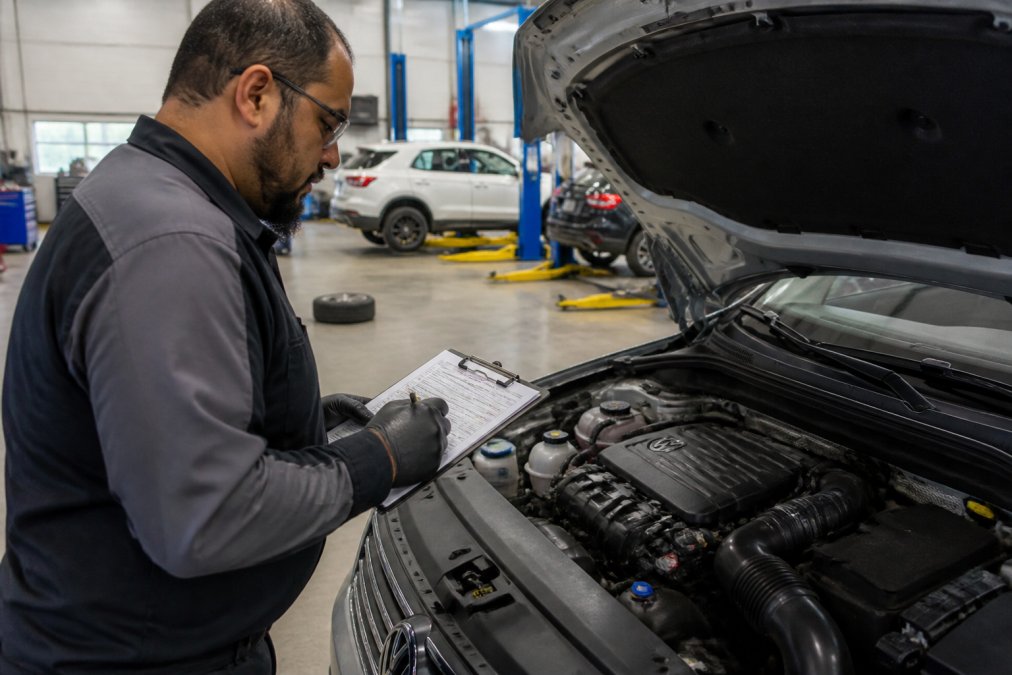
Certified pre-owned cars undergo comprehensive multi-point inspections, often 150+ checks, before earning certification status.
Technicians examine mechanical systems, safety equipment, fluid levels, and cosmetic condition.
This standardized process differs sharply from non-certified used cars, which may receive minimal inspection or none at all.
Roadside assistance is another benefit. Most certified programs include 24/7 roadside support for towing, lockout service, fuel delivery, and jump-starts.
Resale value tends to hold better on certified vehicles because certification signals lower risk and extended warranty coverage, supporting a stronger asking price when you eventually trade or sell.
Used Car Pre-Purchase Inspection: What to Expect
A pre-purchase inspection for non-certified used cars serves as your primary defense against hidden mechanical problems.
Unlike certified vehicles backed by dealer guarantees, non-certified cars require independent assessment to uncover issues before you commit to purchase.
Professional inspections involve mechanical evaluation, test drive with diagnostic scanning, and cosmetic assessment.
The inspector checks suspension, brakes, belts, hoses, and fluid condition, then reads the vehicle's computer for fault codes signaling past or present problems.
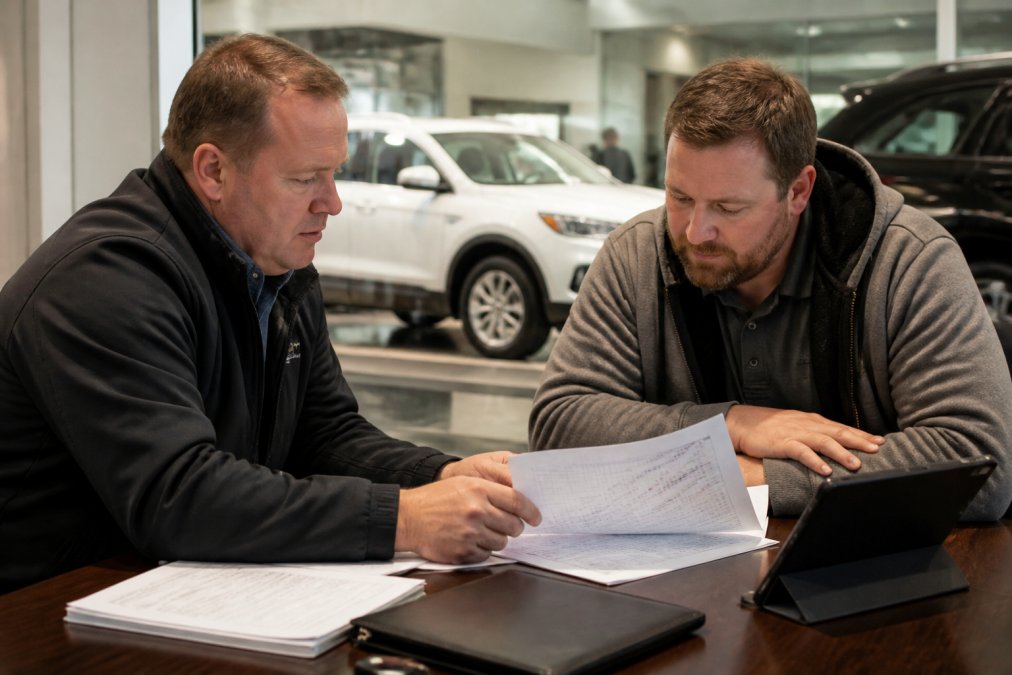
Third-party inspection services like Lemon Squad operate nationwide and provide detailed reports with photos and phone consultation.
These independent inspections often reveal issues that save thousands in avoided repairs.
The inspector documents frame condition, rust presence, paint thickness variations, and mechanical soundness.
Vehicle history reports complement inspections. Services like CARFAX and AutoCheck compile accident records, ownership history, service records, and title status.
A clean history report combined with a solid inspection provides confidence that the non-certified car is mechanically sound.
The inspection process typically takes 1-2 hours.
Results come in a detailed report with photographs and itemized findings categorized by severity: critical (safety or major mechanical), moderate (needs repair within months), and minor (cosmetic or routine maintenance).
This categorization helps you prioritize which problems matter most.
Pros and Cons: Making Your Decision
Certified Pre-Owned Vehicles
Certified cars offer peace of mind through manufacturer-backed warranties and documented inspection records.
You know exactly what you're getting because the dealership has verified mechanical condition and stands behind it with extended coverage.
Roadside assistance and higher resale value add tangible benefits.
The trade-off is price. Certified vehicles cost more than comparable non-certified cars because dealers invest in inspection, reconditioning, and warranty reserves.
For buyers who keep cars long-term, the warranty savings often offset the higher purchase price.
Certified programs also come with age and mileage restrictions, typically limiting certification to vehicles under 5-7 years old with fewer than 80,000-100,000 miles.
Push now for a set of free Universal Weather Teck mats →
Non-Certified Used Cars
Non-certified vehicles offer the lowest entry price. Without dealer markup for inspection and warranty reserves, these cars sell for less upfront.
This appeals to budget-conscious buyers and those seeking specific models outside certification windows.
The downside is risk transfer. You assume all mechanical responsibility immediately after purchase. Without manufacturer backing, you depend entirely on your inspection and due diligence.
Non-certified inventory also includes vehicles with accident history, multiple owners, or unclear maintenance records.
| Attribute | Certified Pre-Owned | Non-Certified Used |
|---|---|---|
| Warranty Coverage | 6-year/100K powertrain + bumper-to-bumper | None (as-is) |
| Inspection Standard | Mandatory multi-point | Optional/varies |
| Roadside Assistance | Included | Not included |
| Resale Value | Better retention | Variable |
| Age/Mileage Limits | Typically restricted | No restrictions |
| Risk Level | Lower (manufacturer-backed) | Higher (buyer responsibility) |
The choice between certified vs non-certified used cars reflects your priorities. Choose certified if warranty protection and documented condition matter more than upfront savings.
Choose non-certified if you have mechanical knowledge, access to trusted inspection services, or are buying a vehicle inexpensive enough that repairs won't strain your budget.
Dealerships like Doug Cupples specialize in certified pre-owned vehicles because the added inspection and warranty cost provides genuine customer protection.
When you work with a certified dealer, you're buying confidence alongside transportation.
Ask for Doug Cupples @ 641-521-8725 text or call.
Finding the right vehicle, whether certified or non-certified, requires matching the purchase to your actual needs and risk tolerance.
Doug Cupples at Lauterbach Buick-GMC helps Central Iowa buyers navigate this decision by offering thoroughly inspected, reconditioned pre-owned vehicles backed by a 6-year/100,000-mile Powertrain Limited Warranty and 12-Month/12,000-Mile Bumper-to-Bumper Limited Warranty.
Highly trained and certified technicians use genuine GM parts for all service, ensuring reliability and expert care throughout your ownership.
What good is it for someone to gain the whole world, yet forfeit their soul?
Frequently Asked Questions
What exactly does 'certified' mean for a used vehicle?
A certified pre-owned (CPO) vehicle has passed a manufacturer-backed inspection and meets specific reconditioning standards set by the automaker.
Certified cars come with extended warranty coverage, typically a powertrain warranty, and documented service history.
Non-certified used cars are sold as-is without manufacturer backing or standardized inspection requirements, making certification a key differentiator in the used car market.
Does a non-certified used car come with any warranty coverage?
Non-certified used cars typically come with no warranty or a very limited dealer warranty, if any.
Certified pre-owned vehicles, by contrast, include manufacturer-backed warranties such as a 6-year/100,000-mile powertrain limited warranty.
This warranty difference represents one of the largest financial protections available to CPO buyers, whereas non-certified buyers assume most repair risks immediately after purchase.
Is the higher price of a certified vehicle justified by the benefits?
Certified pre-owned vehicles do cost more upfront, but the manufacturer-backed warranty, multi-point inspection, and reconditioning standards provide significant peace of mind and protection.
The extended coverage helps offset potential repair costs, and the thorough inspection reduces the risk of hidden mechanical issues.
For buyers concerned about reliability and long-term ownership costs, the premium often proves justified.
What should I look for when inspecting a non-certified used car?
For non-certified vehicles, obtain a vehicle history report (such as CARFAX or AutoCheck) to check for accidents, title issues, and service records.
Consider hiring an independent third-party inspector like Lemon Squad to perform a comprehensive mechanical evaluation.
Check the title status, review service records, test drive thoroughly, and have a trusted mechanic inspect the vehicle before purchase.
These steps help uncover issues that the seller may not disclose.
Are there specific inspection standards for certified pre-owned vehicles?
Yes, certified pre-owned vehicles must meet manufacturer-specific inspection standards, which typically include a multi-point inspection covering mechanical systems, safety features, and cosmetic condition.
Each automaker sets its own CPO program requirements.
These standardized inspections are more rigorous than typical used car evaluations and provide transparency about the vehicle's condition.
Ask for Doug Cupples @ 641-521-8725 to learn about specific inspection standards for the vehicle you're interested in.
This article was written using GrandRanker
DougCupples content is educational market commentary, not individualized financial or purchasing advice. Figures reflect the reporting dates shown and move quickly — confirm current numbers before you act on them.
Before you use this information
Auto market guidance works best when it is tied to a real vehicle, a real quote, and a real deadline.
If this article changes how you are thinking about a purchase, save the listing, the VIN, the mileage, the asking price, and the city where the vehicle is advertised.
For a trade-in question, write down your payoff amount, the vehicle condition, and any independent appraisal you already have.
For a financing question, compare the APR, the term, the down payment, the total amount financed, and the full out-the-door number.
Those details make it much easier to separate a fair Central Iowa deal from a monthly payment that only looks comfortable because the loan got longer.
When a price looks appealing, check whether the discount is attached to a required add-on, a longer term, a higher rate, or a trade allowance that moved money from one line to another.
When a vehicle looks expensive, check local supply before you walk away; a scarce trim can hold its number while a similar model across town has room to move.
The practical move is to slow the deal down long enough to compare the total cost, not just the headline price or the payment printed in large type.
Doug can help turn those details into better questions for the salesperson, the sales manager, or the finance office before you sign.
That is especially useful when the decision is close, because small changes in rate, term, fees, trade allowance, or timing can move the real cost by hundreds or thousands of dollars.
If you are shopping around Newton, Des Moines, or the surrounding Central Iowa market, local inventory and dealer supply matter more than a national headline.
- Ask for the out-the-door price in writing before you discuss payment.
- Compare similar vehicles within driving distance, not national averages alone.
- Check how long the specific VIN has been in stock.
- Confirm whether each fee is required by the state, the lender, or the dealership.