Last Updated: September 24, 2026
Affordable Used Trucks With Low Mileage
When shopping for used trucks low mileage matters, it means less wear on the engine, transmission, and critical components.
We help you find affordable used trucks with low mileage by guiding you through the right questions and evaluation steps. Ask for Doug Cupples.
Why Low Mileage Used Trucks Matter
Used trucks low mileage have longer service life and fewer repair risks; a truck with 60,000 miles is in a different condition bracket than one with 120,000 miles and holds resale value better.
Questions to Ask a Dealer When Buying a Used Truck
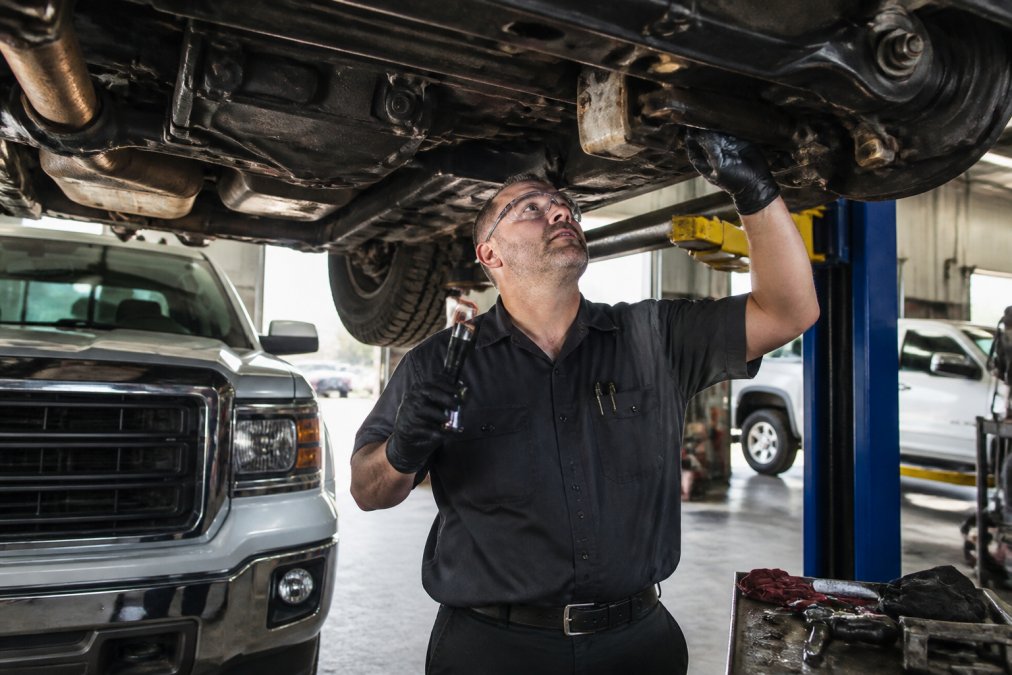
Ask for a written inspection report covering engine, transmission, suspension, brakes, and electrical systems. Request vehicle history including service records and accident history.
Ask about known issues and warranty coverage, honest dealers disclose problems upfront and provide written warranty details. Ask for Doug Cupples.
How to Understand CPO Bumper to Bumper Warranty Coverage
Certified Pre-Owned vehicles include bumper-to-bumper coverage protecting nearly all components except wear items like brake pads, lasting 12-Month/12,000-Mile. Ask for Doug Cupples.
Ask for the warranty in writing, including coverage, exclusions, duration, and mileage limits. Confirm whether coverage transfers if you sell the truck. Ask for Doug Cupples.
Finding affordable used trucks with low mileage requires diligence, but the payoff is substantial.
A well-inspected truck with documented history and solid warranty coverage provides peace of mind that extends well beyond your first drive.
The investment in asking the right questions upfront saves frustration and money later.
Ask for Doug Cupples @ 641-521-8725 text or call.
"What good is it for someone to gain the whole world, yet forfeit their soul?"
DougCupples content is educational market commentary, not individualized financial or purchasing advice. Figures reflect the reporting dates shown and move quickly — confirm current numbers before you act on them.
Before you use this information
Auto market guidance works best when it is tied to a real vehicle, a real quote, and a real deadline.
If this article changes how you are thinking about a purchase, save the listing, the VIN, the mileage, the asking price, and the city where the vehicle is advertised.
For a trade-in question, write down your payoff amount, the vehicle condition, and any independent appraisal you already have.
For a financing question, compare the APR, the term, the down payment, the total amount financed, and the full out-the-door number.
Those details make it much easier to separate a fair Central Iowa deal from a monthly payment that only looks comfortable because the loan got longer.
When a price looks appealing, check whether the discount is attached to a required add-on, a longer term, a higher rate, or a trade allowance that moved money from one line to another.
When a vehicle looks expensive, check local supply before you walk away; a scarce trim can hold its number while a similar model across town has room to move.
The practical move is to slow the deal down long enough to compare the total cost, not just the headline price or the payment printed in large type.
Doug can help turn those details into better questions for the salesperson, the sales manager, or the finance office before you sign.
That is especially useful when the decision is close, because small changes in rate, term, fees, trade allowance, or timing can move the real cost by hundreds or thousands of dollars.
If you are shopping around Newton, Des Moines, or the surrounding Central Iowa market, local inventory and dealer supply matter more than a national headline.
- Ask for the out-the-door price in writing before you discuss payment.
- Compare similar vehicles within driving distance, not national averages alone.
- Check how long the specific VIN has been in stock.
- Confirm whether each fee is required by the state, the lender, or the dealership.