
How to Avoid Pushy Salespeople: 3 Proven Tactics
Last Updated: August 27, 2026
Pushy salespeople rely on your uncertainty. When unprepared, you're vulnerable to high-pressure tactics designed to rush you into decisions you're not ready to make.
Avoiding them requires knowing what to watch for, having a script ready, and asking the right questions. Ask for Doug Cupples at 641-521-8725, text or call.
Recognize High-Pressure Sales Tactics Before They Take Hold
High-pressure tactics create artificial urgency and scarcity to override your judgment.
Common approaches include false deadlines ("This deal expires today"), anchoring (inflated prices followed by fake "discounts"), and the takeaway close (suggesting you walk away to make you panic).
Watch for red flags: dismissing your concerns, rushing paperwork, refusing written quotes, becoming defensive, or suggesting you can't afford to leave without a deal.
The moment a salesperson says "I can only hold this price for today," ask for it in writing, legitimate offers come with documentation.
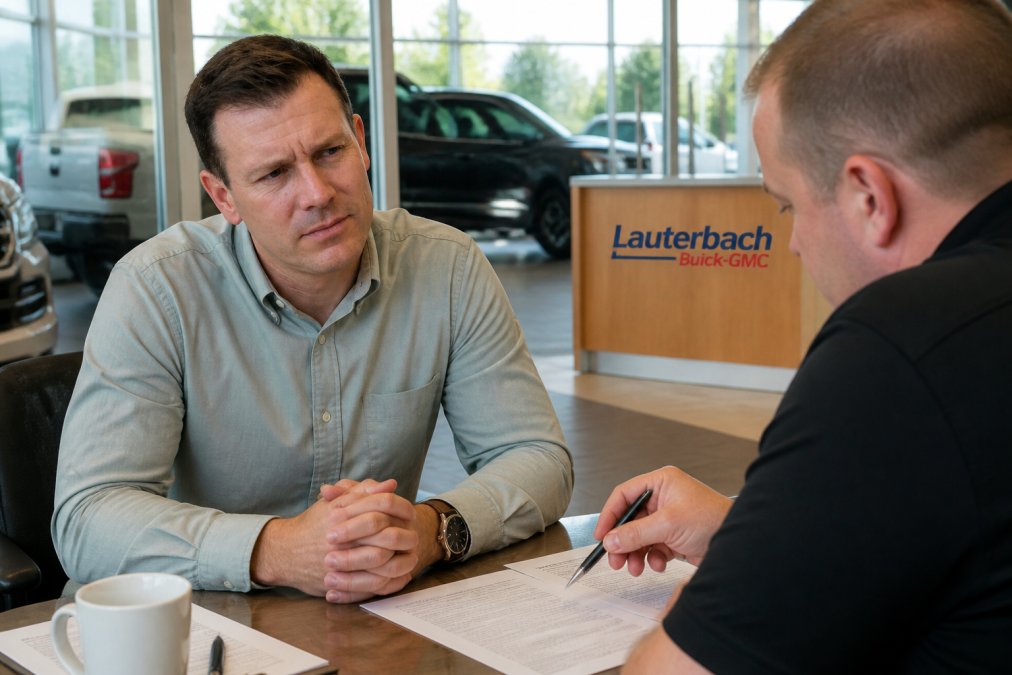
Use Effective Car Buying Negotiation Scripts to Stay in Control
Having a script ready transforms you from reactive to proactive. When they create artificial urgency, respond: "I make decisions based on research and my budget, not deadlines.
What's the actual price without promotions? When they try the takeaway close: "I'm walking away from pressure, not a good deal. Here's what I need: [your requirements].
Stay calm and specific, pushy salespeople rely on vague resistance or emotional reactions.
Push now for a set of free Universal Weather Teck mats →

Ask the Right Questions to Avoid Pushy Salespeople
Before visiting, ask: "What is the actual out-the-door price including all fees? and "What warranties are included? Questions signal you're informed and won't be rushed.
Pushy tactics work best on uncertain customers, the moment you demonstrate knowledge and clarity, the dynamic shifts.
The car-buying process doesn't have to feel like a battle. When you recognize high-pressure tactics, have responses ready, and ask the right questions, you regain control.
Ask for Doug Cupples at 641-521-8725, text or call.
"What good is it for someone to gain the whole world, yet forfeit their soul?"
This article was written using GrandRanker
DougCupples content is educational market commentary, not individualized financial or purchasing advice. Figures reflect the reporting dates shown and move quickly — confirm current numbers before you act on them.
Before you use this information
Auto market guidance works best when it is tied to a real vehicle, a real quote, and a real deadline.
If this article changes how you are thinking about a purchase, save the listing, the VIN, the mileage, the asking price, and the city where the vehicle is advertised.
For a trade-in question, write down your payoff amount, the vehicle condition, and any independent appraisal you already have.
For a financing question, compare the APR, the term, the down payment, the total amount financed, and the full out-the-door number.
Those details make it much easier to separate a fair Central Iowa deal from a monthly payment that only looks comfortable because the loan got longer.
When a price looks appealing, check whether the discount is attached to a required add-on, a longer term, a higher rate, or a trade allowance that moved money from one line to another.
When a vehicle looks expensive, check local supply before you walk away; a scarce trim can hold its number while a similar model across town has room to move.
The practical move is to slow the deal down long enough to compare the total cost, not just the headline price or the payment printed in large type.
Doug can help turn those details into better questions for the salesperson, the sales manager, or the finance office before you sign.
That is especially useful when the decision is close, because small changes in rate, term, fees, trade allowance, or timing can move the real cost by hundreds or thousands of dollars.
If you are shopping around Newton, Des Moines, or the surrounding Central Iowa market, local inventory and dealer supply matter more than a national headline.
- Ask for the out-the-door price in writing before you discuss payment.
- Compare similar vehicles within driving distance, not national averages alone.
- Check how long the specific VIN has been in stock.
- Confirm whether each fee is required by the state, the lender, or the dealership.